
Piano & Music Theory Education in Cupertino
Building Technical Skill, Musical Understanding, and Independent Musicianship
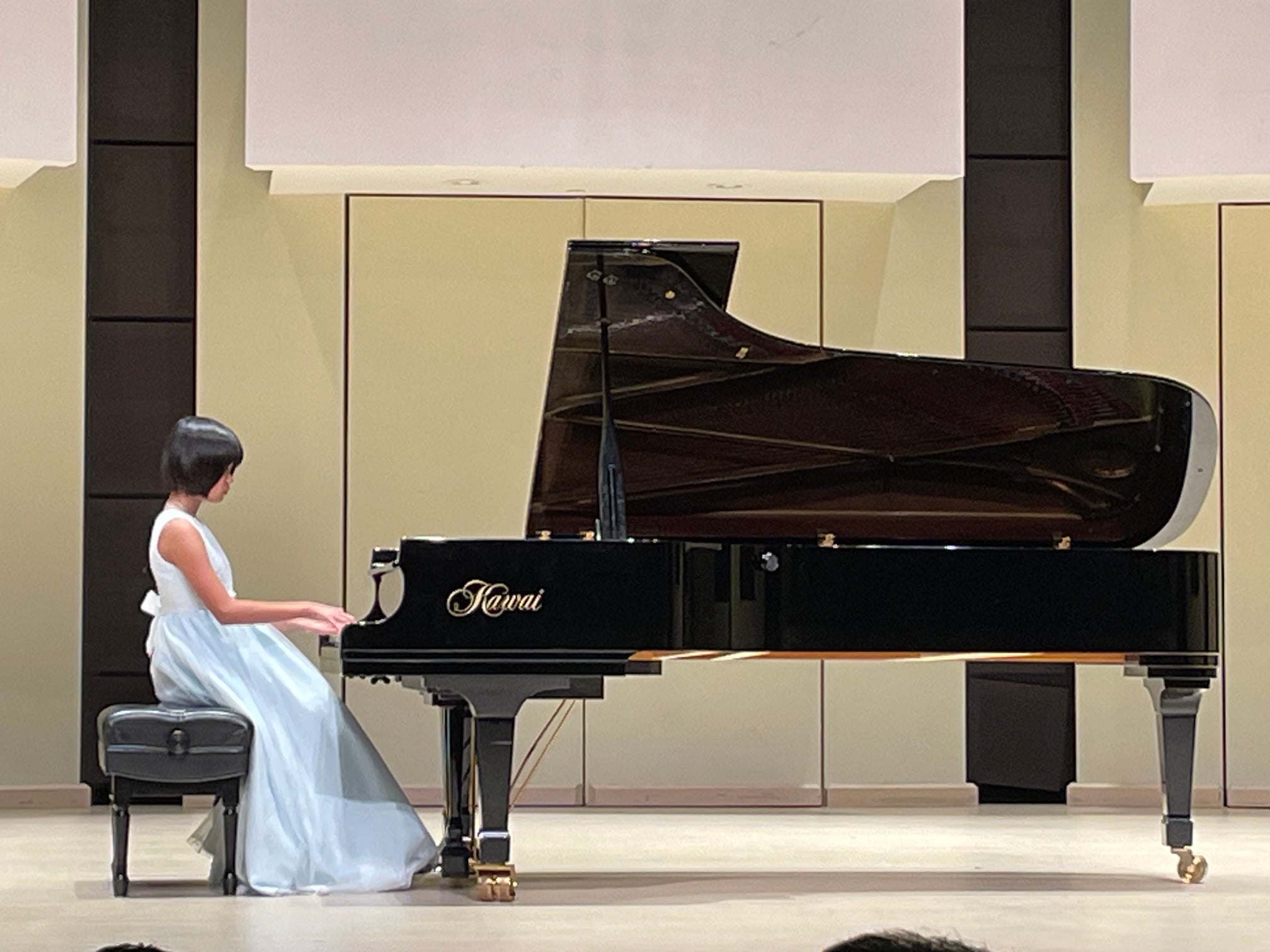
Structured music education for students seeking technical development, musical understanding, performance skills, and long-term growth.
Our Teaching Approach
Many students learn to play pieces successfully but struggle to understand the music behind them.
At Omei Academy, piano students study both piano and music theory because technical skill and musical understanding develop together. By learning how music works—not just how to play the notes—students develop stronger musicianship, greater confidence, and the ability to learn music more independently over time.
Students may also pursue ABRSM Performance Grades and Music Theory Grades as part of a structured long-term pathway that provides clear goals, external benchmarks, and internationally recognized achievement.
Why Music Theory Matters
Music theory helps students understand the music they play.
Students develop:
Stronger music reading skills
Better rhythmic understanding
Greater musical independence
Improved musical interpretation
More effective practice habits
For this reason, music theory is an expected component of piano study at Omei Academy.
Music theory instruction is also available to students studying other instruments.
Program Options
Piano & Music Theory
Students participate in a structured program that combines piano instruction with music theory education.
Piano instruction
Group music theory classes
Performance opportunities
ABRSM Performance Grade preparation (Grades 1–8)
ABRSM Music Theory Grade preparation (Grades 1–8)
Competition preparation for interested students
Music theory is an expected component of long-term piano development.
Music Theory Only
Music theory instruction is available to students studying piano, violin, cello, flute, voice, and other instruments, including students preparing for ABRSM Music Theory examinations or the AP Music Theory examination.
ABRSM Music Theory Grades 1–8
Group instruction
Theory classes help students strengthen music reading, rhythm, harmony, and overall musicianship regardless of their primary instrument.
Structured Progression
Beginning Students
Foundations in rhythm, note reading, technique, and practice habits.
Developing Musicians
Growth in repertoire, musicianship, performance skills, and theoretical understanding.
Advanced Students
Advanced repertoire, musicianship development, performance preparation, competition preparation, and examination pathways.
Performance, Examinations, and Competitions
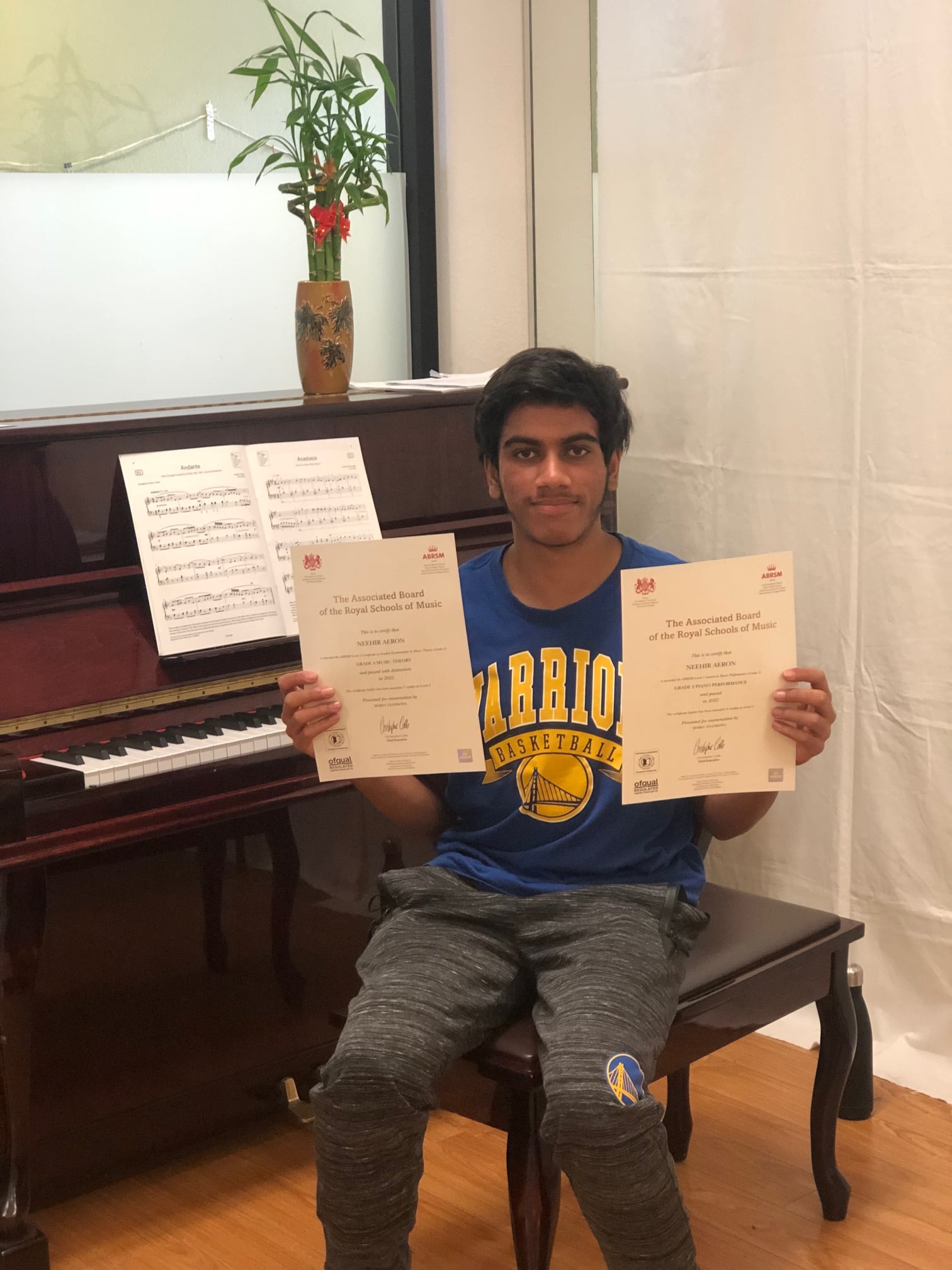
Students have opportunities to perform, set goals, and demonstrate progress through a variety of pathways.
These may include:
Annual student recital
ABRSM Performance Grades 1–8
ABRSM Music Theory Grades 1–8
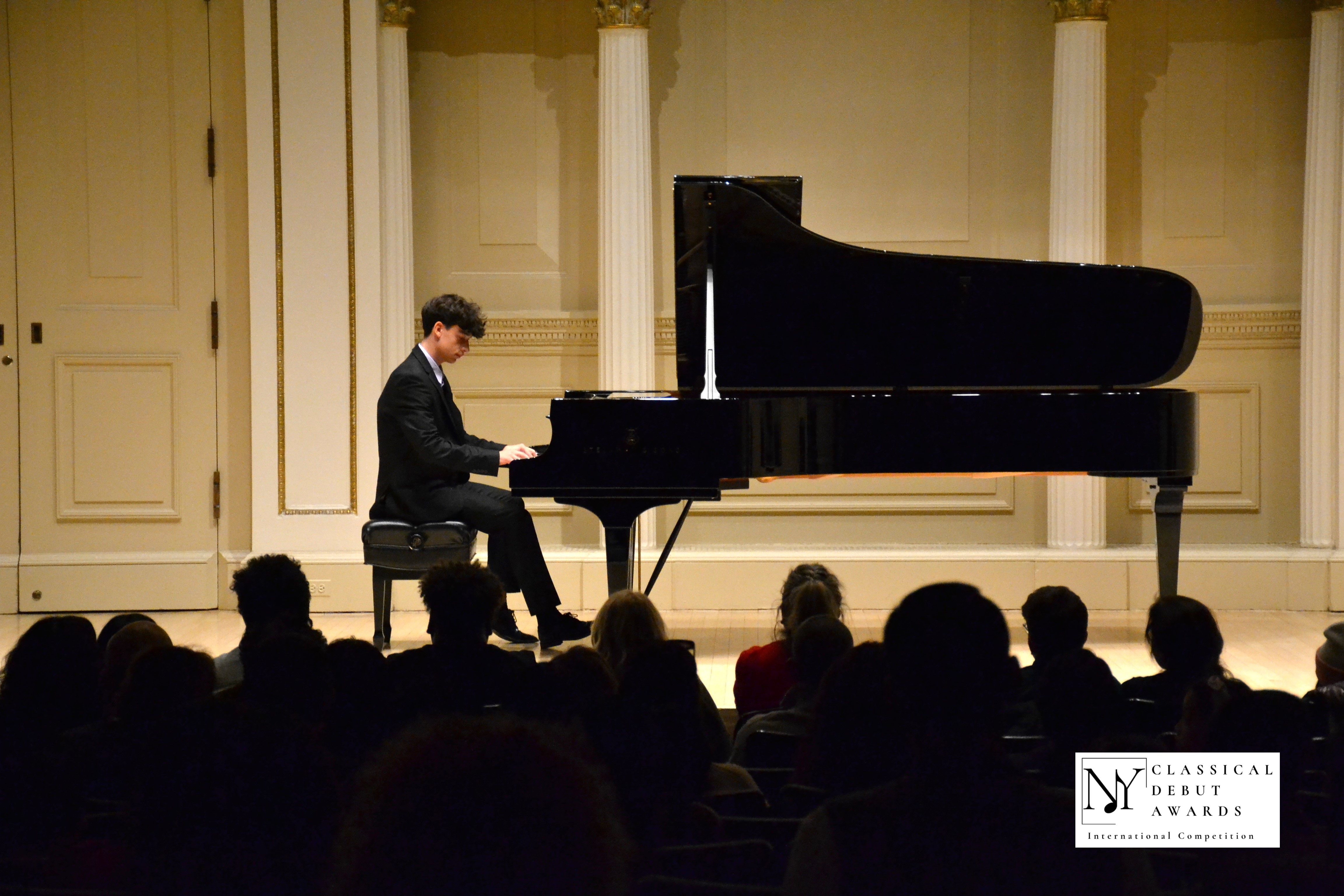
Piano competitions
Students are encouraged to pursue examinations when appropriate. ABRSM assessments provide an internationally recognized external benchmark and help students develop long-term goals, accountability, and a sense of achievement as they progress.
Who Is This Program For?
This program is a good fit for:
Beginners interested in learning piano through a structured approach
Students who want to understand music, not just play pieces
Families seeking long-term musical development
Students interested in performance opportunities and musical achievement
Students preparing for ABRSM Performance Grades and Music Theory Grades
Musicians studying piano, violin, cello, flute, voice, and other instruments who want to strengthen their music theory skills, including students preparing for ABRSM Grade 5 Music Theory as a prerequisite for Grade 6 and above practical or performance examinations
High school students seeking preparation for the AP Music Theory examination without enrolling in an AP Music Theory course at school
Why Families Choose Omei Academy
Integrated Piano and Music Theory Instruction
Students develop technical skill and musical understanding together, helping them become more independent and confident musicians.
Structured Long-Term Progression
Students follow a pathway that supports growth from beginner levels through advanced study.
ABRSM Performance and Music Theory Pathways
Students may pursue internationally recognized examinations that provide clear goals, external benchmarks, and recognized achievement.
Performance Opportunities
Students have opportunities to perform, build confidence, and demonstrate their progress.
Individualized Instruction
Instruction is tailored to each student's age, experience, goals, and learning style.
Frequently Asked Questions
Does my child need prior piano experience?
No. Beginners are welcome.
Is music theory required for piano students?
Yes. Piano students study music theory as part of their long-term musical development.
Can students enroll only in music theory?
Yes. Music theory instruction is available to students studying other instruments.
Are examinations required?
ABRSM examinations are strongly encouraged as students progress. External assessments provide valuable benchmarks, help students measure growth, and recognize achievement through internationally recognized credentials.
Are competitions required?
No. Competition participation depends on student goals, readiness, and interest.
Request Information & Placement
Please complete the form below, and we will contact you regarding placement and program availability.
1 of 8
Program of Interest
4 of 8
Student Goals
What are you hoping your child will gain from this?
Choose as many as you like
5 of 8
Previous Experience
6 of 8
Additional Information
Please share any relevant information about your child's previous experience, goals, or questions.
7 of 8
Submit Request
After receiving your request, we will contact you regarding placement, scheduling, and program availability.
8 of 8



© 2026 Omei Academy, Inc. All rights reserved.
